
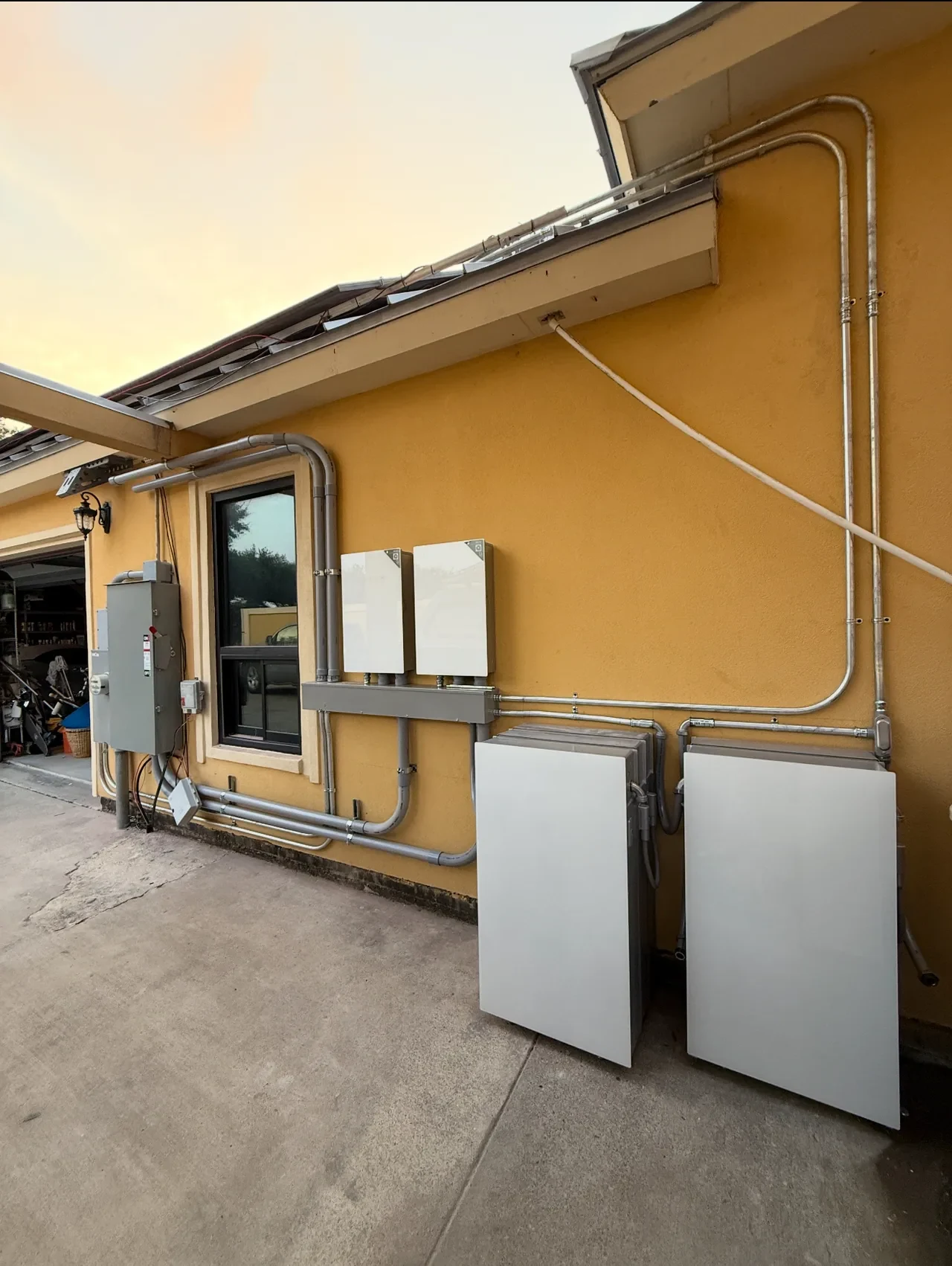
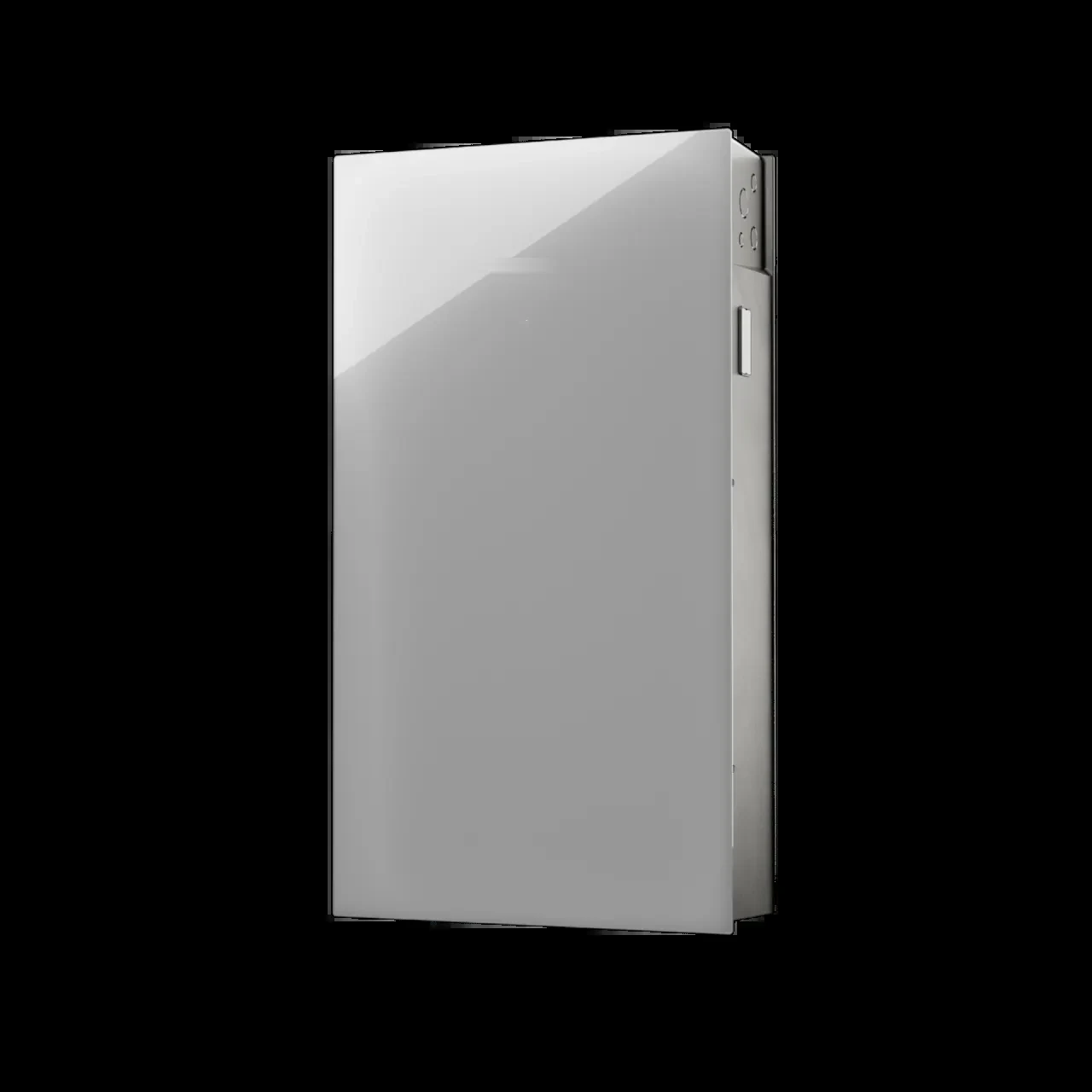
What Powerwall would actually do in your home
Picture an outage during dinner: the refrigerator, lights, internet equipment, and air conditioner do not all place the same demand on a battery. Powerwall planning separates what you want connected from what you intend to operate together. Supporting an electrical panel does not mean every appliance can run without limits, and available charge changes as equipment operates.
Powerwall 3 includes an integrated solar inverter, which can simplify a new solar-and-storage design by allowing suitable solar panels to connect directly. Adding it to an existing array is a different project: the installer checks inverter details, electrical connections, monitoring, and backup operation. Keeping your existing solar equipment may be possible, but the final arrangement requires a property-specific review.
The Tesla app lets you see energy flows and adjust operating preferences, including backup reserve. A higher reserve keeps more stored energy available for outages rather than routine use. Grid charging depends on the installed configuration and applicable requirements. Discuss how you want the system to behave on an ordinary evening as well as during an emergency.
What it costs in the Rio Grande Valley
A useful Powerwall proposal identifies the battery equipment, required control and isolation equipment, wiring route, mounting work, electrical modifications, permits, commissioning, and homeowner training. The number of batteries is only part of the scope. Moving equipment farther from the electrical service or adding a backed-up circuit panel can change the work substantially.
Use the Solar Calculator only for a preliminary solar-plus-battery planning range, not a firm standalone battery price. For storage alone, request a site-specific consultation. Ask which assumptions could change after inspection, what utility work remains outside the proposal, and whether future expansion would require additional equipment or a revised approval.
From load review to a tested backup system
Define backup priorities
List essential circuits and the equipment you would voluntarily leave off. Review air-conditioning needs separately, including equipment identification and starting requirements. If medical equipment is involved, keep an independent emergency plan rather than treating a residential battery as an uninterrupted medical power guarantee.
Inspect service and existing solar
Document the service equipment, panel condition, disconnects, available mounting space, and any existing solar inverter. Review electrical drawings where available. Identify whether the project will retain existing solar connections or use the integrated inverter, and resolve equipment compatibility before promising a final layout.
Design supported loads and reserve
Select the circuits and control strategy, then evaluate simultaneous appliance use. Explain how reserve settings affect everyday energy use and outage readiness. Include a practical load-reduction plan so the family knows what to stop using when stored energy becomes limited.
Review permits and interconnection
Identify the local permitting authority and the actual electric utility before submitting documents. Existing solar approval does not automatically cover a battery addition or changed export settings. Establish which inspections and permissions are required before operating the completed system as designed.
Install the approved equipment
Mount equipment in the reviewed location, maintain required working clearances, and complete electrical connections and labeling. Coordinate any necessary shutdown with the household. Keep access to disconnects unobstructed and explain which areas must remain clear after the installation is complete.
Commission and demonstrate operation
Verify monitoring, metering, supported circuits, and the approved backup configuration. Demonstrate a controlled outage transition when appropriate and safe. Confirm app ownership with the homeowner, review reserve settings, and provide operating documentation and a clear contact path for faults or unexpected behavior.
Rio Grande Valley specifics
Heat, moisture exposure, and hurricane preparation belong in the location review. Choose equipment placement according to manufacturer instructions and applicable local requirements, with access for service and clearances around the installation. Do not treat an outdoor rating as permission to place equipment in a location exposed to standing water or to ignore evacuation guidance.
Storm Watch responds to qualifying severe-weather alerts and conditions; it is not a promise to prepare for every forecast. When enabled and activated, it can prioritize charging for backup. Check your app, review your reserve before anticipated disruption, and remember that a battery supplies selected loads during an outage rather than preventing the utility outage itself.
AEP Texas, Magic Valley Electric Cooperative, and Brownsville PUB do not share one universal interconnection process. Confirm your address, existing solar agreement, and intended battery export settings. Electricity-provider choice also varies. Local permits and service changes require review; coastal TDI windstorm considerations belong to applicable roof attachment work, not automatically to an indoor battery installation.
Why a licensed electrical contractor
RGV Solar Electric LLC holds Texas electrical contractor license TECL #37418 and is a Tesla Powerwall Certified Installer. The team also holds SolarEdge, Enphase, and FranklinWH certifications and has serviced or installed more than 400 systems. Those qualifications support equipment review; they do not replace checking the details of your particular home.
Ask who will document the approved configuration, coordinate inspections, and explain manufacturer support versus installation responsibilities. Keep your proposal, equipment identification, commissioning records, and app access information together. A clear handoff should explain whom to contact for an electrical concern, a monitoring issue, or a change in household loads. A roofer who is not a licensed electrician must not handle the solar electrical components; coordinate that work through the licensed electrical contractor.

Compare system architecture, not just the battery
| Planning topic | Tesla Powerwall 3 | FranklinWH |
|---|---|---|
| Solar connection | Integrated solar inverter supports directly connected new solar; existing solar requires a connection review. | AC-coupled approach can retain existing solar equipment, subject to design verification. |
| System controls | Monitoring and operating preferences through the Tesla app. | aPower stores energy; aGate coordinates sources and household loads. |
| Without solar | Can be installed on its own with grid charging under applicable settings and requirements. | Can operate without solar using grid charging under applicable settings and requirements. |
| Backup planning | Supported circuits, available charge, and household loads determine the backup experience. | Supported circuits, available charge, and household loads determine the backup experience. |
Manufacturer architecture overview, not a compatibility guarantee or a prediction of savings or outage duration. Confirm the exact equipment and approved configuration for your property.
What to gather before the consultation
Have recent electric bills, photos of the closed electrical panel and service equipment, and any existing solar documentation ready. Record the appliances you want supported and how your family uses them during hot evenings. Do not remove energized covers or open equipment to obtain photographs; the installer can inspect safely.
You can see Powerwall batteries and chargers at the Mission showroom, 2575 E Griffin Pkwy, Suite 9. Bring questions about placement, app controls, and backup priorities rather than expecting a showroom display to establish compatibility. Tesla demo drives use official scheduling at tesla.com/drive; a showroom visit is not a vehicle-sales appointment.
Questions Valley homeowners ask
Related services and guides
Reviewed by Isai Rodriguez, owner, RGV Solar Electric LLC (TECL #37418)
Last updated: