
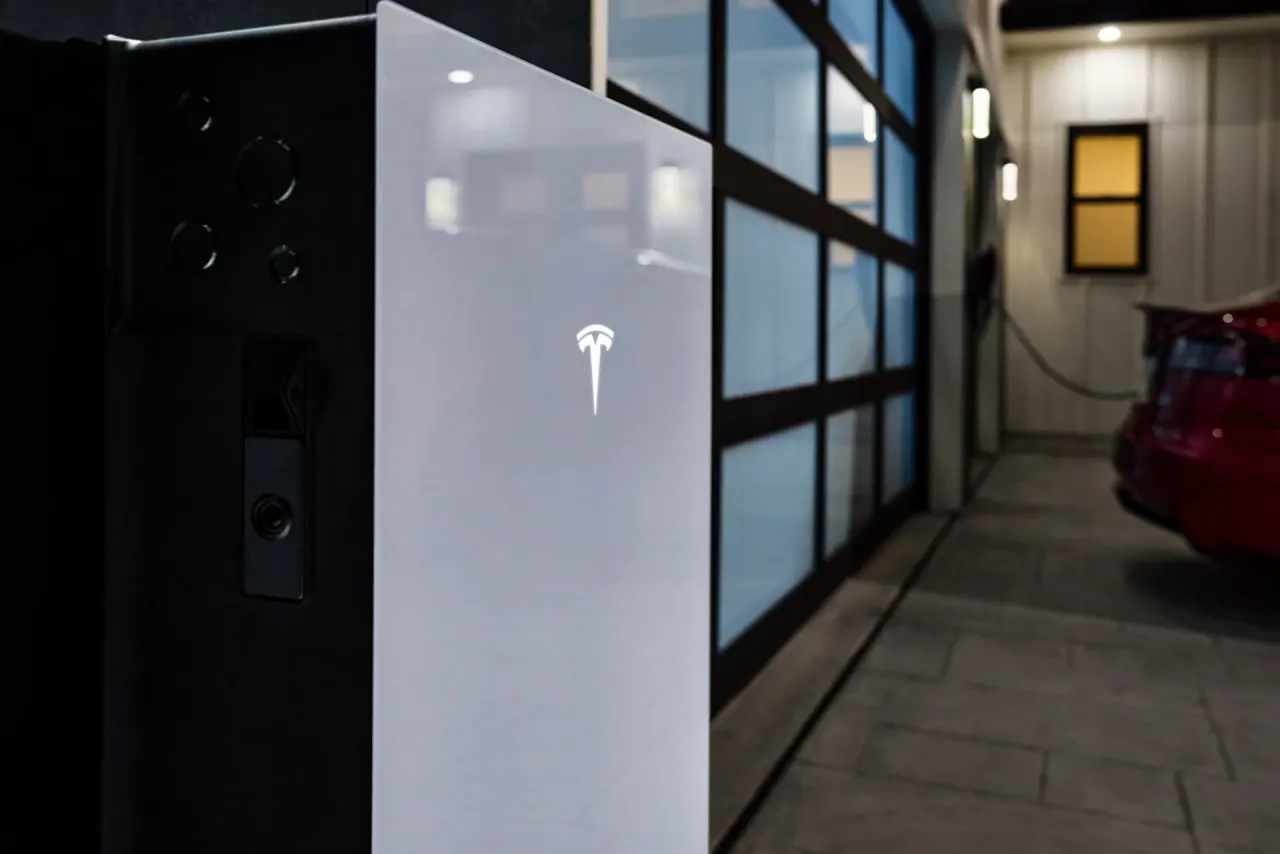
EV Charging Installation in the Rio Grande Valley
RGV Solar installs Level 2 EV chargers at homes across the Rio Grande Valley, including Tesla Wall Connector and Tesla Universal Wall Connector. As a licensed electrical contractor, TECL #37418, we check panel capacity and service size before every installation.
- Energy
- RGV Solar Electric LLC
- TECL #37418
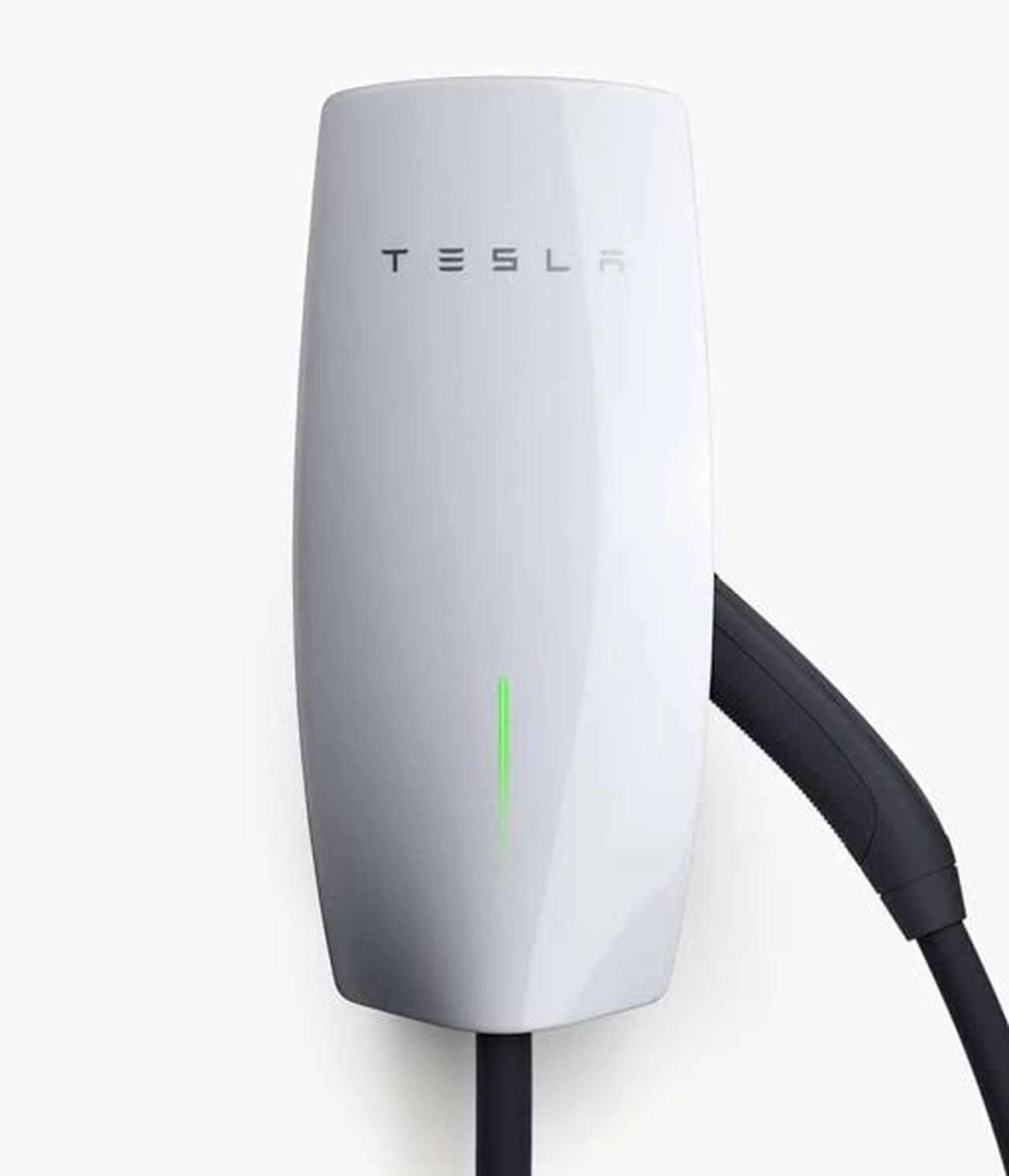
Design charging around the way you actually park
Start with your usual arrival time, departure time, and driving needs rather than the largest charger advertised. A vehicle parked for a long evening has different needs from one that returns late and leaves early. Review occasional long trips separately from everyday commuting, and remember that vehicle settings, battery condition, and charging equipment all affect what happens during a session.
Confirm the vehicle’s charging inlet and the exact connector supplied with the proposed equipment. Tesla Wall Connector, Universal Wall Connector, and other equipment may suit different households, but the product name alone does not establish compatibility. If an adapter is involved, verify manufacturer approval for that vehicle and charging application instead of assuming any physically fitting adapter is acceptable.
Solar panels are not required for home charging. A normal charger delivers electricity to the vehicle; it does not automatically let the vehicle power the home. Vehicle-to-home backup, including PowerShare, is a separate project involving compatible vehicles, controls, equipment, and an approved electrical configuration. Discuss those goals before buying equipment if backup matters to you.
What it costs in the Rio Grande Valley
The installed scope depends on the wiring distance, access through walls or other surfaces, mounting location, electrical equipment condition, protective devices, permits, and any required load management. Trenching or a detached parking area can add work that is not visible in a charger’s purchase price. Ask whether surface restoration, inspection, and commissioning are included.
Contact RGV Solar for an EV charging quote based on your vehicle and property. There is no matching EV calculator here, and the solar calculator should not be used to price a charger. A service upgrade is not automatic: the proposal should explain whether the existing service is suitable, whether approved load management is appropriate, or why a specific upgrade is necessary.
A safe charging installation from assessment to handoff
Document the vehicle and routine
Confirm model, connector, charging preferences, daily driving pattern, and time usually parked at home. Discuss a second vehicle or future purchase without assuming its connector or demand. Set a practical charging goal based on routine replenishment, while allowing the homeowner to keep public charging options for exceptional trips.
Perform the electrical assessment
Inspect service and panel equipment and calculate the proposed load alongside existing household demand. Spare breaker spaces do not demonstrate spare electrical capacity. Review significant appliances and planned additions, then document whether the design can use the existing service or needs a compliant management or upgrade strategy.
Choose equipment and cable reach
Select compatible charging equipment and confirm how the vehicle will park. Check cable reach without stretching, blocking a walkway, or placing the connector where tires can damage it. Compare suitable mounting locations and manufacturer requirements, including protection from impact and practical access for maintenance or emergency disconnection.
Finalize permits and installation scope
Identify the local permitting authority and any utility involvement if service equipment must change. Decide between appropriate hardwired or permitted receptacle-based arrangements according to the selected product and applicable requirements. Document the route, shutdown plan, wall penetrations, and restoration responsibilities before scheduling work.
Install and configure the equipment
Complete the approved circuit, mounting, protective equipment, labeling, and any designed load management. Set the charger to the installation’s allowable output rather than simply its highest available setting. Verify connections and required inspections, and avoid treating an app adjustment as a substitute for correct circuit design.
Test with the actual vehicle
Verify a successful charging session and review vehicle and charger scheduling so conflicting settings do not create confusion. Demonstrate connector storage, normal stopping procedures, status indicators, and fault reporting. Give the homeowner equipment documents, configured settings, and the right contact for electrical or charging problems.
Rio Grande Valley specifics
Heat, moisture, hurricane preparation, and driveway exposure should influence equipment placement. Follow the manufacturer’s installation instructions and select an appropriate location with required clearances and service access. Plan cable storage away from standing water and driving paths. Do not assume an outdoor product makes every exposed location suitable or continue using visibly damaged equipment.
AEP Texas, Magic Valley Electric Cooperative, and Brownsville PUB serve different addresses and do not follow one universal process for service changes. Identify the actual utility before promising a project sequence. A routine charger circuit and a service upgrade can involve different coordination; existing solar or battery equipment also needs to be considered without assuming that charging requires solar interconnection.
Review permits with the local authority, including work in garages, carports, or detached parking areas. Coastal TDI windstorm review is relevant only where applicable roof attachment work enters the scope, not automatically for a wall-mounted charger. For rental homes or shared parking, obtain property authorization and clarify access, equipment ownership, and who pays for electricity before installation.
Why a licensed electrical contractor
RGV Solar Electric LLC holds Texas electrical contractor license TECL #37418. The team is a Tesla Powerwall Certified Installer, also holds SolarEdge, Enphase, and FranklinWH certifications, and has serviced or installed more than 400 systems. For charging, the important deliverable is a documented electrical assessment and an installation matched to your vehicle and home.
Ask who handles permits, inspection, configuration, and electrical concerns after installation. Keep installation responsibilities distinct from vehicle support and charger product coverage. Equipment details and commissioning records help identify the right support team when charging fails. A roofer who is not a licensed electrician must not handle the solar electrical components; coordinate that work through the licensed electrical contractor.
Where the main charging categories fit
| Topic | Level 1 | Level 2 | DC charging |
|---|---|---|---|
| Typical setting | Home or occasional use with suitable manufacturer-approved equipment. | Homes, workplaces, and destination parking. | Usually public or commercial charging sites. |
| Planning focus | Whether the existing circuit and equipment are suitable for the intended use. | A designed circuit, compatible connector, and verified electrical capacity. | Specialized equipment, vehicle compatibility, and site infrastructure. |
| Parking routine | Consider modest replenishment needs and longer parking periods. | Often suited to a regular home parking routine. | Usually considered for travel stops or commercial charging needs. |
| Home project fit | May be adequate after reviewing driving needs and electrical safety. | Common residential installation option after a load assessment. | Generally not a routine residential installation. |
Broad categories based on official manufacturer guidance, not charging-time promises. Actual suitability depends on the vehicle, equipment, available supply, and installation design.
What to send before a charging consultation
Provide your vehicle model, connector information, photos of the closed panel and service equipment, and a simple description of where you park. Mention gates, detached structures, finished walls, pets, and access limitations that might affect routing. Do not remove electrical covers or test an old receptacle yourself to establish whether it can support charging.
You can see chargers and Powerwall batteries at the Mission showroom, 2575 E Griffin Pkwy, Suite 9. Bring questions about cable handling and daily use; final placement still depends on a site assessment. For a Tesla demo drive, use official scheduling at tesla.com/drive. Charging consultation does not imply vehicle sales or a guarantee about vehicle availability.
Questions Valley homeowners ask
Related services and guides
Reviewed by Isai Rodriguez, owner, RGV Solar Electric LLC (TECL #37418)
Last updated: