
How to Choose a Solar & Battery Installer in the Rio Grande Valley
Written by RGV Solar
Choosing a solar or battery installer in the Rio Grande Valley starts with verifying who is responsible for the electrical work, the equipment and service after installation. Check the Texas electrical contractor license, relevant manufacturer certifications and a written project scope before comparing proposals. This guide is written by RGV Solar Electric to help property owners ask practical questions; it is not an independent ranking of installers.
Verify the electrical contractor with TDLR
Ask for the company's Texas Electrical Contractor License number and legal business name. Use the Texas Department of Licensing and Regulation's license search to confirm that the record belongs to the company in the proposal and check its current status. A salesperson's business card or a logo does not establish who is licensed to perform the electrical work.
Ask who will actually install the wiring and connect the solar or battery equipment, whether subcontractors are involved and who remains responsible for the finished work. RGV Solar Electric LLC's electrical contractor license is TECL #37418; verify the record rather than rely only on this page.
TDLR license search →Check the certifications for the equipment proposed
Ask for current manufacturer installer credentials relevant to the proposed equipment. For Tesla, SolarEdge, Enphase and FranklinWH, verify the applicable installer certification with the manufacturer or its available installer resources. A company that offers a product is not necessarily certified for that product.
RGV Solar is a Tesla Certified Installer, the only one based in the Rio Grande Valley, and SolarEdge, Enphase and FranklinWH certified. Certification is a useful credential, not a substitute for electrical licensing, compatibility checks or a design for your specific home. Ask how the installer will commission the system and explain its monitoring and backup settings.
Confirm the local office and who does the work
Ask where the business operates, who you can reach locally and whether the team quoting the project is the same organization responsible for installation and follow-up. An out-of-town sales team is not automatically a poor choice; what matters is clear responsibility and an accessible service plan.
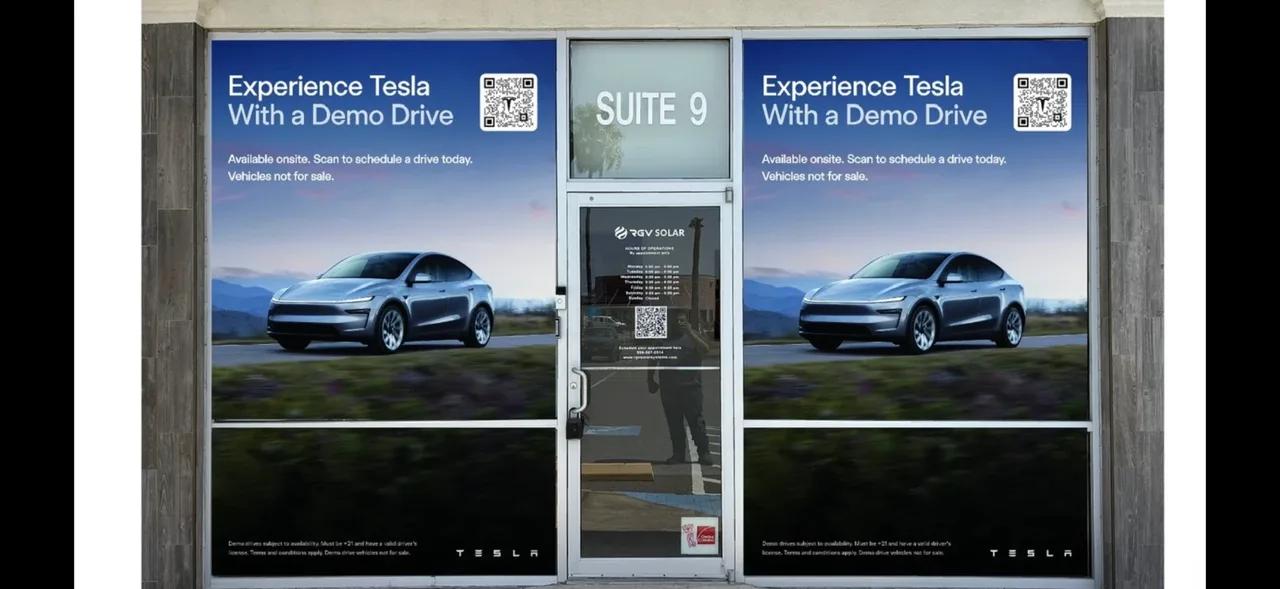
Visit or contact the office when possible and ask who handles scheduling, permits and service requests. RGV Solar's office is at 2575 E Griffin Pkwy Suite 9, Mission, TX 78572. For a project elsewhere in the Valley, confirm coverage and a point of contact without assuming there is a branch office in your city.
Get the workmanship warranty in writing
Request the written workmanship warranty before signing. Identify what installation work is covered, who provides the coverage, how to submit a claim, exclusions and any conditions. Keep equipment warranties separate from the installer's workmanship terms; they protect different parts of the project.
Do not assume a warranty quoted for one service applies to all solar, battery or charging work. Ask for the terms specific to your proposed project and keep a copy with the contract, equipment information and commissioning documents. A verbal promise is not a replacement for written terms.
Know who services the system after installation
Ask which number to call for an electrical issue, monitoring problem or equipment fault. Clarify who diagnoses the issue, who contacts the manufacturer and whether service labor or travel is covered by the written agreement. Do not assume an equipment warranty includes every service cost.
Request access to your monitoring account and a handoff showing normal operation, backup settings and shutdown information. Confirm how service requests are handled if the original salesperson leaves. RGV Solar provides local service, including work on systems installed by other companies; the scope of any repair still needs review.
Read BBB and Google review history carefully
Search the exact legal business name and check that the office and contact information match the proposal. Read the dates and substance of Google reviews and any available BBB profile or complaint history, including responses and how issues were handled. The absence of a profile or a particular badge is not, by itself, a complete assessment.
Look for useful descriptions of installation, communication and follow-up rather than selecting solely from a star average. Ask the installer about concerns you find and request supporting documentation. This guide does not assign ratings, quote customers or rank competing companies.
Ask about permits and the utility serving your address
Confirm which permits, inspections and utility applications the scope includes and who submits them. AEP Texas, Magic Valley Electric Cooperative and Brownsville Public Utilities Board have different service areas and requirements. Verify the utility for the property rather than assume every address in a city follows the same process.
For solar and grid-connected battery projects, ask how the installer checks interconnection requirements and explains the applicable electricity plan or export credits. For roof-mounted work, ask about relevant roof and windstorm considerations. No installer should substitute a generic approval promise for the requirements of your address.
Compare written scopes, not only totals
Make sure proposals identify the equipment, electrical work, battery backup coverage, permits, commissioning and service responsibility. Ask whether panel upgrades or wiring changes are included and how changes discovered during the site review will be documented.
For batteries, list the loads you want backed up and ask what the design can support under different conditions. For solar, use your actual electricity consumption and review the roof. Keep financing, utility credits and projected performance separate from guaranteed contractual work; do not assume a system will eliminate an electric bill.
Questions to take to a consultation
- What is the electrical contractor's legal name and TDLR license number?
- Which manufacturer certifications apply to this equipment?
- Who installs, commissions and services this system?
- What equipment and electrical work are included in writing?
- What does the written workmanship warranty cover?
- Which permits and utility approvals are needed for this address?
- What monitoring access and documents will I receive?
Explore local services