
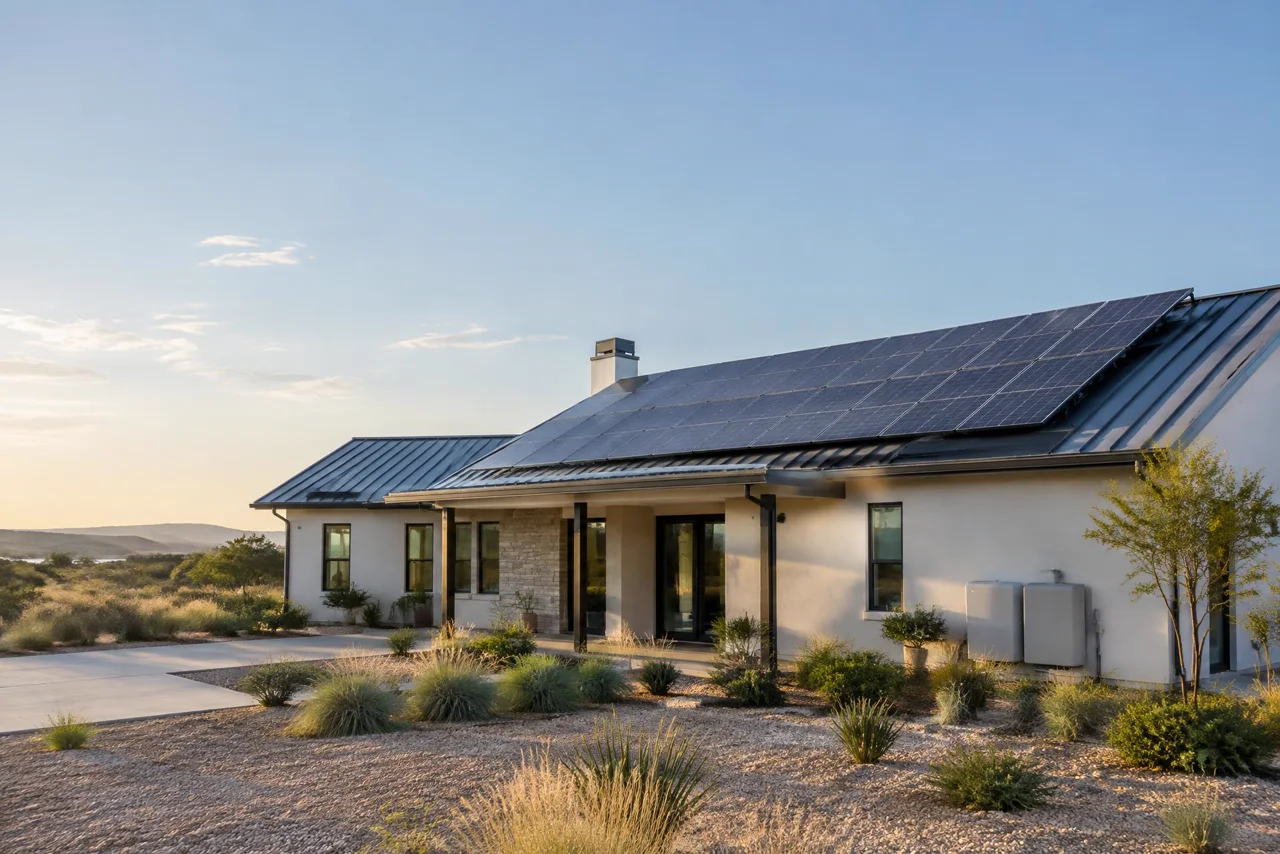
Solar Panel Installation in the Rio Grande Valley
RGV Solar installs solar panels for homes and businesses in McAllen, Mission, Edinburg and the rest of the Rio Grande Valley. We are a licensed Texas electrical contractor, TECL #37418, based in Mission. Every system is designed around the property's roof, electric usage and goals.
- Energy
- RGV Solar Electric LLC
- TECL #37418
Understanding your options
Begin with how the home uses electricity throughout the year and what you expect to change. Cooling, work schedules, electric vehicles, and additional appliances can affect the useful design. Historical usage provides a baseline, not a promise about future consumption. A system should be discussed in terms of its proposed layout and assumptions, with clear explanations of which information came from records and which items still require a site assessment.
The roof is part of the design, not simply a place to put panels. Available roof area, orientation, shading, roof condition, structural review, and access affect the layout. Valley heat matters because operating conditions influence equipment performance; sunlight alone does not establish a particular output. A roof nearing replacement deserves attention before solar goes on it, so an avoidable future removal is not left out of the project discussion.
Solar generation, electricity billing, and outage backup are different subjects. A grid-connected array does not automatically keep the house powered when the utility is down. Batteries require their own load and compatibility planning. Similarly, a production estimate does not guarantee elimination of your bill, a particular export credit, or a tax result. Evaluate each objective explicitly instead of treating every potential benefit as an automatic feature of installing panels.
What it costs in the Rio Grande Valley
Use the existing solar calculator as an estimates-only starting point. Its results are not a site-specific design, binding quote, approved utility arrangement, or guaranteed production forecast. The final proposal depends on the roof, equipment, electrical work, layout, access, permitting, and any battery or service changes. Ask which assumptions were verified and which could change following inspection or design review.
Compare complete scopes rather than a single headline amount. Identify equipment, roof-related work, electrical modifications, application responsibilities, inspections, monitoring setup, and exclusions. Financing terms should be reviewed separately from the installation scope, and any tax questions should go to a qualified adviser using current rules and your circumstances. No particular credit, tax benefit, payback result, or bill reduction should be treated as guaranteed merely because it appears in an estimate.
Instant estimate
Solar Calculator
Average monthly electric bill
Utility
Battery backup
City (optional)
A practical project plan
Establish the usage baseline
Gather electricity-use history and note changes such as a planned vehicle charger or different occupancy. Identify whether your primary goal is reducing purchased energy, adding backup, or preparing for future loads. A clear goal helps the designer explain tradeoffs instead of proposing equipment without a defined purpose.
Assess the roof and shading
Review roof age and condition, usable planes, shade sources, penetrations, and access with the project team. Discuss foreseeable tree growth and neighboring obstructions without assuming every shadow can be eliminated. If replacement is appropriate, coordinate roofing before finalizing the solar attachment plan and construction sequence.
Review the electrical system
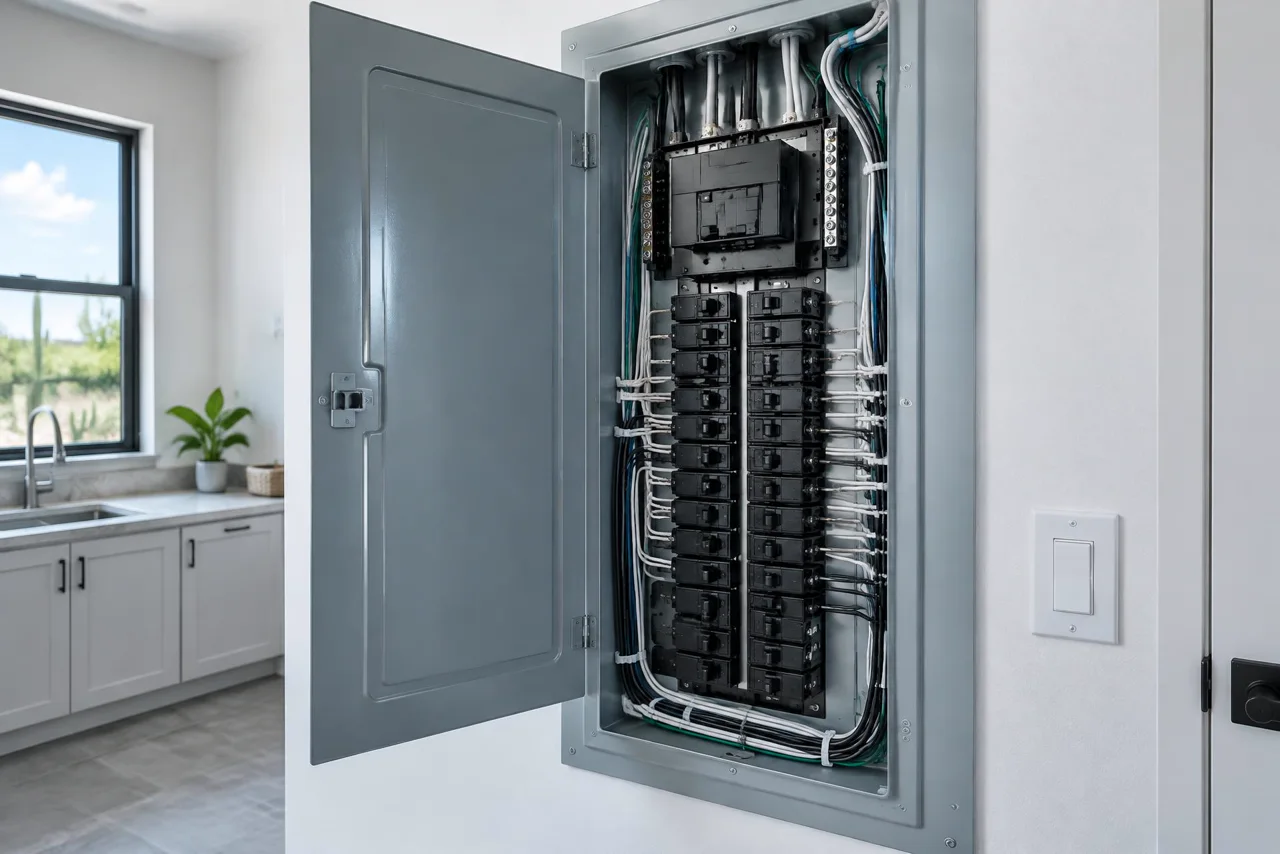
Have the licensed team assess the existing service, panel condition, equipment locations, and wiring route. Planned charging, storage, or other large loads belong in this discussion. A full panel does not by itself establish which remedy is required; the design must determine whether changes, management, or an upgrade are appropriate.
Develop a documented layout
Ask to see the proposed array placement and the assumptions behind the production estimate. Review shade, heat, orientation, equipment compatibility, and required access areas. Compare alternatives using the same usage baseline, and make sure aesthetic preferences do not hide practical restrictions or maintenance access needs.
Confirm utility and permitting requirements
Identify the actual provider and review current interconnection requirements for that address. AEP Texas, MVEC, and Brownsville PUB have different processes and arrangements; do not assume one provider's rules apply to another. Confirm application, inspection, metering, and authorization steps before making activation assumptions.
Coordinate construction and inspections
The project plan should assign responsibility for permits, site work, electrical installation, and inspection coordination. Where roof work is involved in Cameron or Willacy County, review address-specific coastal windstorm requirements before work is covered. Plan applicable TDI inspection stages alongside the roofing and solar sequence rather than treating documentation as an afterthought.
Complete authorization and handoff
Confirm the required utility authorization before treating the project as cleared for normal operation. Request equipment records, available inspection documentation, monitoring access, operating guidance, and the contact process for service. Review the estimate assumptions again so you understand why real production and bills can vary after installation.
Rio Grande Valley specifics
RGV Solar serves Hidalgo, Cameron, Starr, and Willacy counties, including Mission, McAllen, Edinburg, Harlingen, and Brownsville. The Valley's strong sun does not remove the need to evaluate heat, shade, roof layout, and seasonal conditions. Design discussions should connect these conditions to your actual property instead of promising identical results for houses in the same neighborhood.
Utility geography matters as much as city names. Confirm whether the address is served by AEP Texas, MVEC, or Brownsville PUB, then review current interconnection and billing arrangements with the appropriate provider and, where relevant, retail plan. Export compensation and remaining charges need a separate explanation. Neighboring homes may not share the same rules or economic assumptions.
Hurricane and outage planning should identify the loads you want supported and the equipment needed for that goal. Discuss batteries and operating limitations rather than assuming solar alone provides backup. The Mission showroom displays Powerwall batteries and chargers; Tesla demo-drive location information belongs at the official https://www.tesla.com/drive site. A showroom discussion supports planning but does not replace an assessment of your home's loads.
Why a licensed electrical contractor
RGV Solar Electric LLC is a licensed Texas electrical contractor, TECL #37418, with more than 400 systems serviced and installed. The team holds Tesla, SolarEdge, Enphase, and FranklinWH certifications. Ask how the proposed equipment fits the specific design, and keep certification separate from any claim about your equipment's future warranty eligibility or performance.
Roofing and solar are handled in-house when both are part of the agreed scope. Request written installation responsibilities and actual warranty terms for each portion of the project. The three-year workmanship warranty associated with RGV Solar detach/reinstall applies only to that work, not automatically to a new installation, roof replacement, or other service. A roofer who is not a licensed electrician must not handle the solar electrical components; coordinate that work through the licensed electrical contractor.
Prepare for an assessment
Prepare electricity-use records, information about planned loads, roof history, and ground-level photographs if readily available. List priorities such as equipment appearance, battery readiness, roof coordination, and monitoring access. Do not climb onto the roof or expose electrical components to gather information; the site assessment is the appropriate place to resolve inaccessible details.
Share bills privately with unnecessary personal data removed. Do not publish utility account numbers or passwords; ask what documentation and authorized access are actually needed for the project. Before signing, review equipment, exclusions, payment terms, application responsibilities, and the process for approving changes so a preliminary estimate is not mistaken for a completed design.
Questions Valley homeowners ask
Related services and guides
Service in your city
Hidalgo County
Reviewed by Isai Rodriguez, owner, RGV Solar Electric LLC (TECL #37418)
Last updated: