
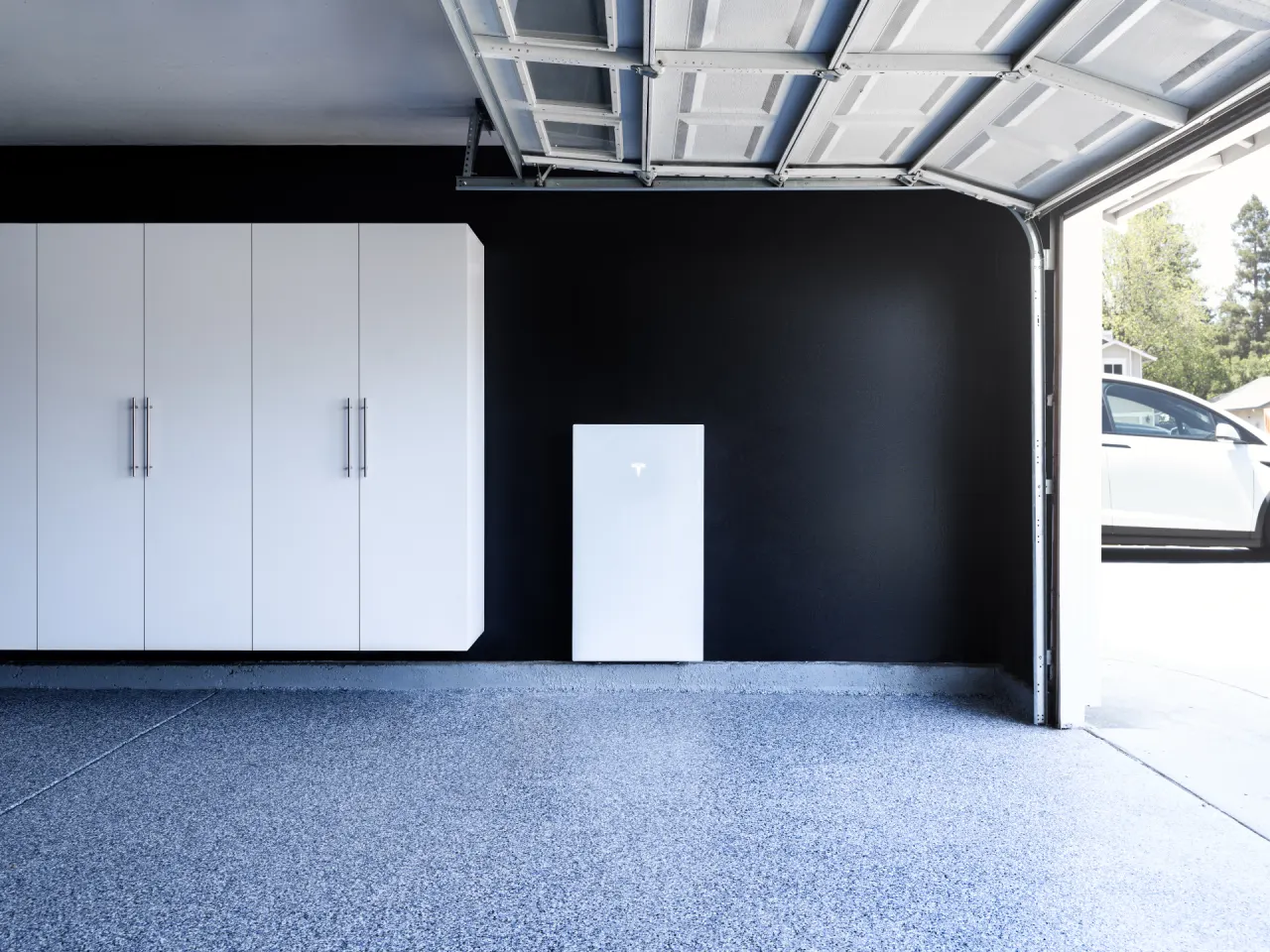
Home Battery Backup in the Rio Grande Valley
Tesla Powerwall 3 and FranklinWH installed by the only Tesla Certified Installer based in the Valley.
- TECL #37418
- Tesla Certified
- SolarEdge Certified
- FranklinWH Certified
- Enphase Certified
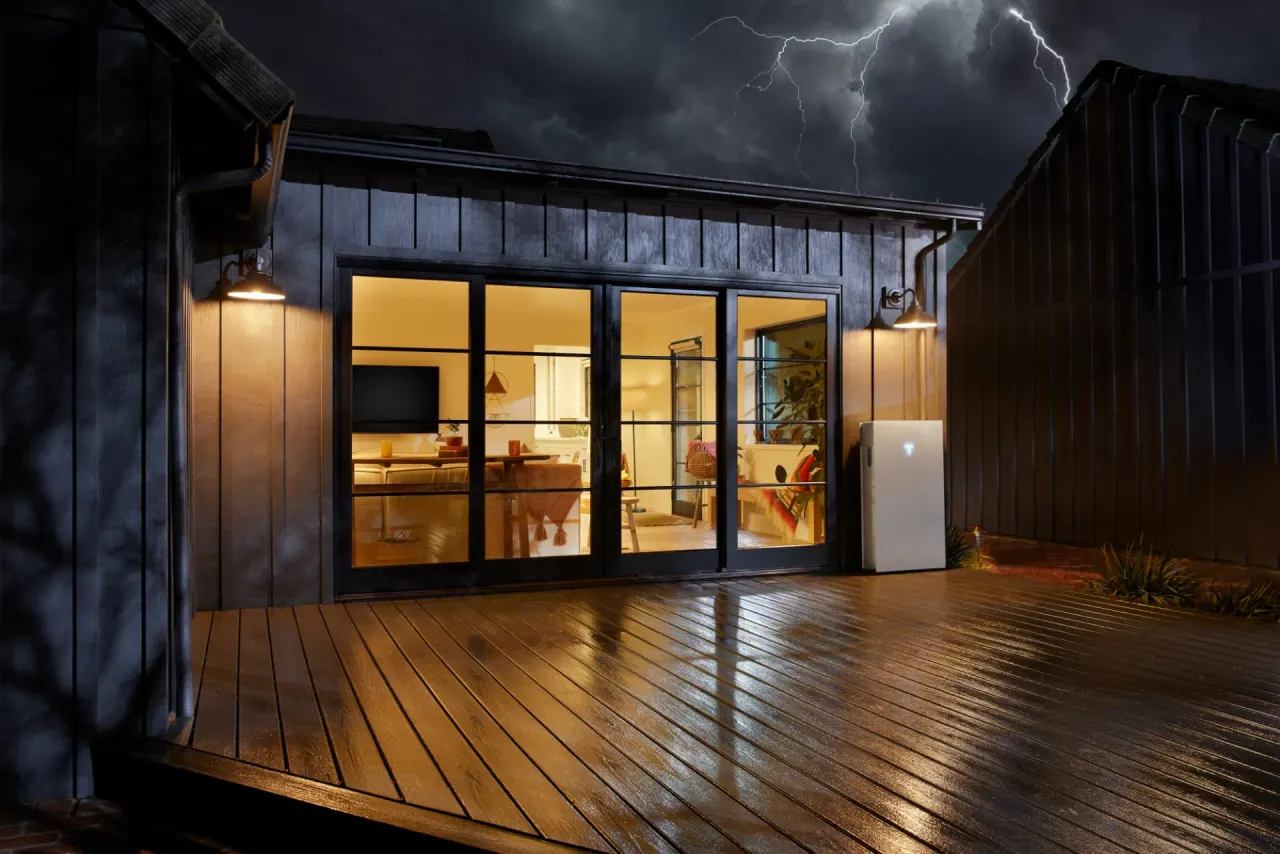
Choose an outage plan before choosing a battery
A practical battery plan starts with a household conversation: which activities should continue if utility power disappears? Refrigeration, communications, lighting, and selected outlets may be the first priorities. Cooling, cooking, water heating, and vehicle charging require separate consideration because running several large appliances together can change both equipment requirements and how quickly stored energy is used.
Storage is not generation. A battery can use electricity collected earlier from solar or, where configured and permitted, from the grid. Without a replenishing source during an extended outage, the stored supply eventually runs down. Solar can help replenish a compatible backup system, but production varies and must also serve any household loads operating at that time.
Tesla Powerwall 3 combines storage with an integrated solar inverter and app-based controls. FranklinWH uses aPower batteries with aGate energy management and an AC-coupled approach that can offer flexibility when retaining existing solar. Neither description settles the design: equipment condition, connections, metering, approved operation, and your priorities determine the suitable configuration.
What it costs in the Rio Grande Valley
Ask each proposal to identify battery and control equipment, supported circuits, electrical modifications, mounting, wiring, permits, utility coordination, commissioning, and homeowner orientation. A lower equipment line item can omit work another proposal includes. Also ask whether an essential-loads panel, load controls, or repairs to existing equipment are required rather than optional.
The Solar Calculator can provide preliminary planning for a solar-plus-battery project; it is not a firm standalone storage quote. For a battery addition or storage without solar, request a site review. Compare what each design will support, its operating assumptions, and exclusions before comparing totals, and ask how later expansion would affect the electrical scope.
A professional storage assessment and installation
Write a household load plan
Identify essential circuits and separate desirable loads from indispensable ones. Discuss normal routines, cooling expectations, and which equipment can be manually turned off. If medical needs are involved, retain a separate emergency arrangement and ask the equipment provider about continuity requirements rather than depending solely on a home battery.
Audit the existing installation
Review the service, main and subpanels, solar equipment, disconnects, grounding, equipment condition, and available records. Existing solar that works while the grid is available is not automatically ready to operate during an outage. Determine what can remain and what must be changed before selecting the storage architecture.
Compare connection architectures
Evaluate whether integrated new solar or an AC-coupled battery addition better fits the property. Verify the exact inverter and control arrangement rather than relying on a broad compatibility statement. Include installation space, cable routing, monitoring, and the homeowner’s expectations for future additions in the decision.
Define operating limits and approvals
Document supported circuits, intended reserve, load controls, and export settings. Review the utility’s process and local permits, including any service changes. Explain what happens when demand exceeds the designed backup capability or stored energy becomes low, so the operating plan is understandable before construction.
Install and inspect the system
Complete approved mounting, wiring, protective equipment, isolation controls, and labels. Coordinate service interruptions and required inspections. Maintain access for emergency responders and future maintenance, and make sure ordinary storage, parked vehicles, or landscaping will not obstruct required equipment clearances after the crew leaves.
Commission with a homeowner walkthrough
Check monitoring and energy-flow readings, verify the supported circuits, and test backup operation appropriately. Demonstrate reserve settings and a sensible conservation routine. Provide equipment documents, account ownership, and service contacts, and record the final installed configuration so later service does not begin with guesswork.
Rio Grande Valley specifics
Hurricane preparation involves more than buying equipment. Decide when you would raise the outage reserve, what appliances to avoid during disruption, and where your family will go if evacuation is advised. With Powerwall, Storm Watch depends on qualifying alerts and system conditions; it should complement your own preparation rather than be treated as an unconditional response to any forecast.
Heat and moisture influence placement and maintenance access. Review the manufacturer’s installation instructions and the conditions at the proposed location, including drainage concerns and required clearances. Avoid using a weather rating as a reason to ignore site hazards. No battery prevents a utility outage, and equipment should never be approached if conditions appear unsafe.
Confirm whether your home is served by AEP Texas, Magic Valley Electric Cooperative, or Brownsville PUB. Their requirements for existing solar changes, battery export, and interconnection can differ, and electricity-provider choice is not universal. Permits and service changes require local review. Coastal TDI considerations apply where relevant roof attachment work is involved, not by default to indoor storage equipment.
Why a licensed electrical contractor
RGV Solar Electric LLC is a Texas electrical contractor, TECL #37418, and a Tesla Powerwall Certified Installer. The team also holds SolarEdge, Enphase, and FranklinWH certifications, with more than 400 systems serviced or installed. For an existing system, ask how those qualifications will be applied to identifying equipment, documenting conditions, and verifying the proposed integration.
Keep manufacturer product coverage separate from installation obligations and any existing solar agreement. Ask who handles troubleshooting, how monitoring access will be transferred, and which records you receive after commissioning. A responsible recommendation explains uncertainty and operating limits instead of treating certification as a guarantee of compatibility, savings, or uninterrupted household power. A roofer who is not a licensed electrician must not handle the solar electrical components; coordinate that work through the licensed electrical contractor.
Compare system architecture, not just the battery
| Planning topic | Tesla Powerwall 3 | FranklinWH |
|---|---|---|
| Solar connection | Integrated solar inverter supports directly connected new solar; existing solar requires a connection review. | AC-coupled approach can retain existing solar equipment, subject to design verification. |
| System controls | Monitoring and operating preferences through the Tesla app. | aPower stores energy; aGate coordinates sources and household loads. |
| Without solar | Can be installed on its own with grid charging under applicable settings and requirements. | Can operate without solar using grid charging under applicable settings and requirements. |
| Backup planning | Supported circuits, available charge, and household loads determine the backup experience. | Supported circuits, available charge, and household loads determine the backup experience. |
Manufacturer architecture overview, not a compatibility guarantee or a prediction of savings or outage duration. Confirm the exact equipment and approved configuration for your property.
Information that makes the first visit useful
Gather recent bills, solar agreements, inverter model information, available drawings, and screenshots of existing monitoring. Photograph electrical equipment only with covers closed. Write down what matters during an outage, including refrigerated items, communications, cooling preferences, and any equipment that must be supported through a separate emergency plan. Note planned appliances that could change future demand.
At the Mission showroom, 2575 E Griffin Pkwy, Suite 9, you can see Powerwall batteries and chargers and discuss how equipment might fit your property. Bring questions about service access, reserve settings, and daily operation. A display helps you understand the product physically, but the final recommendation still needs an electrical assessment and a documented installation scope.
Questions Valley homeowners ask
Related services and guides
Reviewed by Isai Rodriguez, owner, RGV Solar Electric LLC (TECL #37418)
Last updated: